
In the dynamic arena of digital marketing, data is your most valuable asset—but only if you can understand the story it's telling. SpotRise's AI-powered platform provides a wealth of information through its rank tracking and forecasting reports, yet for many users, the initial encounter can feel like looking at the instrument panel of a spaceship. Knowing what each gauge signifies and, more importantly, how to use that information to navigate, is the key to moving from passive observation to strategic command. This guide will help you interpret these powerful reports, transforming complex data into a clear roadmap for your seo ai tool strategy.
Moving Beyond the Simple Rank Number
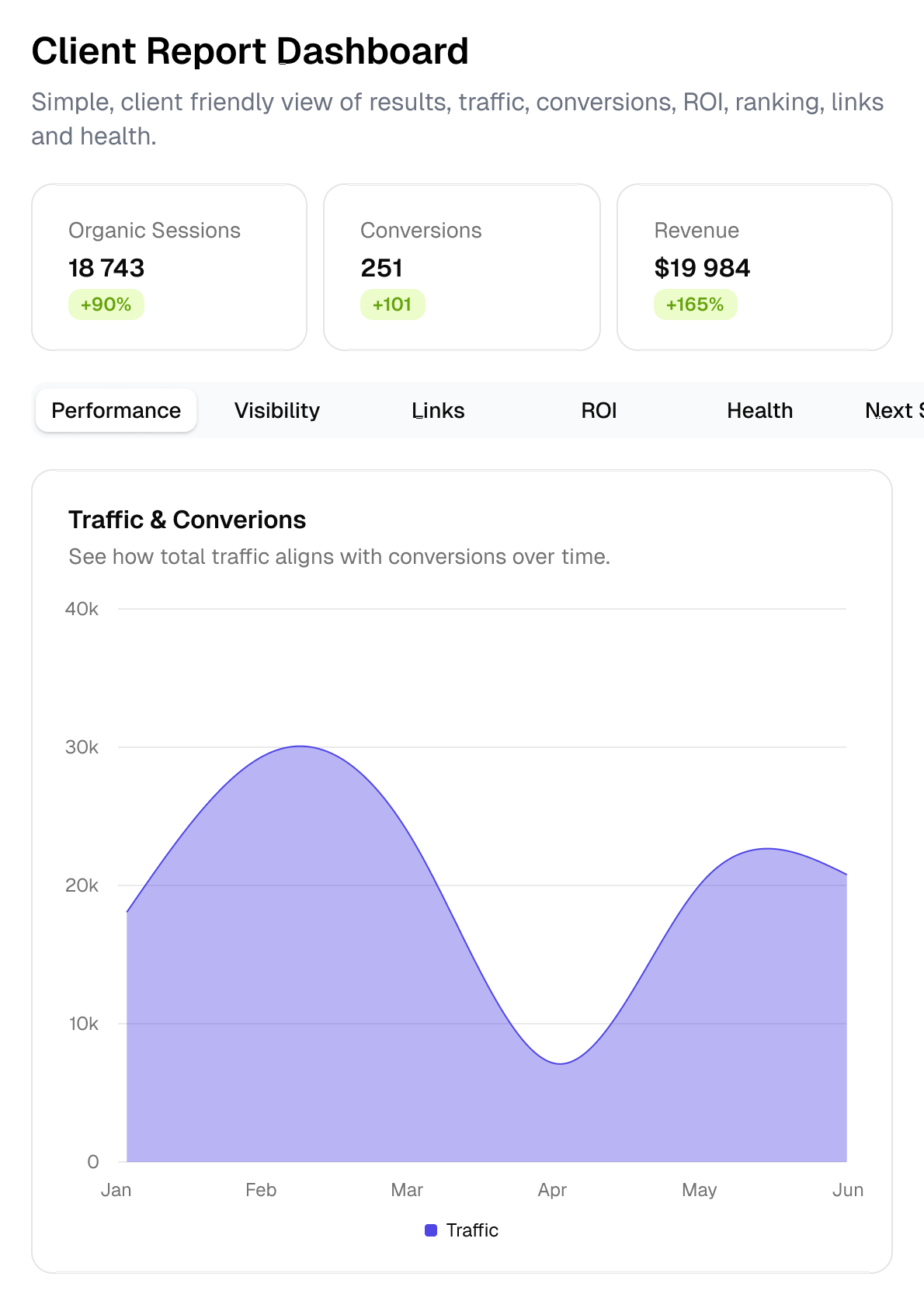
The first and most common metric everyone looks at is the keyword ranking position. However, SpotRise’s reports encourage you to think beyond a single number on a single day. The true insight lies in the trend line. A keyword sitting at position 4 might seem stable, but the report might reveal it has been oscillating between positions 3 and 8 daily, indicating fierce competition and SERP volatility. Conversely, a keyword moving steadily from position 15 to 12 over a month shows positive, sustainable momentum. Your primary focus should shift from "where are we now?" to "what is the trajectory and stability of our ranking?" This trend-based perspective is foundational for accurate interpretation.
Deciphering the Volatility and Confidence Scores
Two of the most critical, yet often overlooked, metrics in SpotRise’s dashboard are Volatility Score and Forecast Confidence. The Volatility Score quantifies the instability in the SERP for a specific keyword or group of keywords. A high score is a flashing indicator that the landscape is shifting, potentially due to an algorithm update or intense competitive churn. It’s a signal to pause major strategy assessments for that term until things settle. The Forecast Confidence score, often presented as a percentage, tells you how reliable the AI's prediction is. A high-confidence forecast for a ranking drop is a urgent call to action; a low-confidence forecast suggests the future is less certain, and your response should be more measured and investigative.
Segmenting Data for Actionable Insights
Looking at an aggregate "average ranking" for hundreds of keywords can mask critical details. The power of interpretation comes from smart segmentation. Use SpotRise’s filters to break down your report by meaningful categories: keyword intent (informational vs. commercial), site section (blog vs. product pages), or geographic targeting. You may discover that your informational blog content is soaring while your commercial product page rankings are stagnating—two vastly different stories requiring distinct strategies. This layered analysis moves you from a vague sense of overall performance to precise diagnostic clarity, showing exactly which parts of your strategy are working and which are not.
Understanding the "Why" Behind the Forecast
SpotRise’s forecasting isn't a magic trick; it's a data-driven projection based on identified patterns. When the system forecasts a ranking decline for a key page, the most important step is to investigate the cited reasons. The report may correlate the predicted drop with a gradual decline in your page's measured Core Web Vitals score or a steady increase in the ranking authority of competing pages. Don't just accept the "what" of the forecast; dig into the attached "why." This transforms the forecast from a simple prediction into a diagnostic tool, highlighting the specific lever—be it technical health, content quality, or competitive pressure—that you need to address to change the outcome.
Correlating Rankings with Business Outcomes
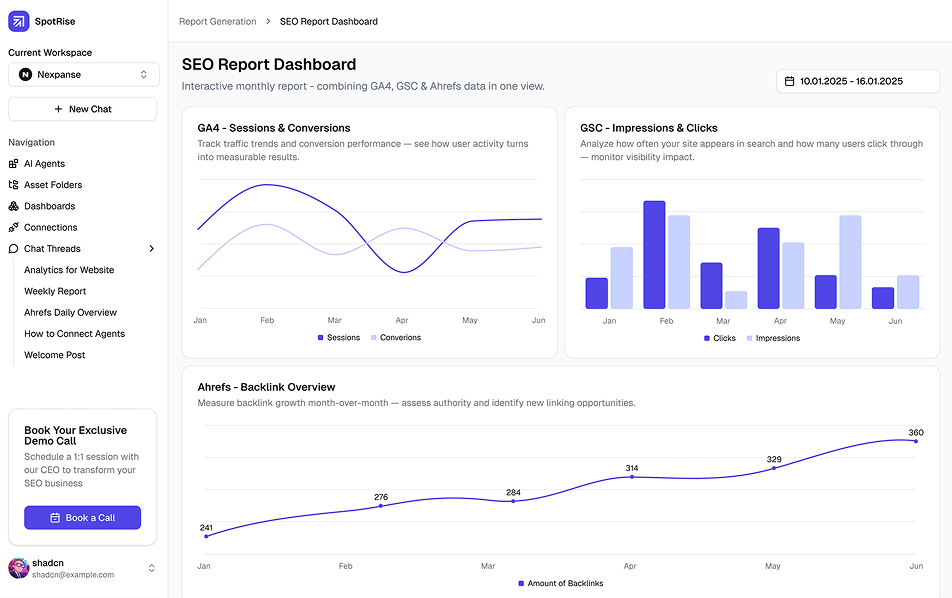
Rankings are a means to an end, not the end itself. Advanced interpretation involves connecting SpotRise’s ranking data to your business analytics. Use the platform to identify keywords that have crossed critical visibility thresholds (e.g., moving into the top 3). Then, correlate those dates with your analytics to see the actual impact on organic traffic, lead volume, or revenue. This practice does two things: it validates which ranking improvements truly move the needle for your business, and it helps you calculate the tangible ROI of your SEO work. A report showing rankings climbing from 9 to 7 is good; a report that shows that climb resulted in a 20% increase in qualified organic traffic is powerful.
Translating Interpretation into Strategic Action
The final and most crucial step is turning interpretation into a plan. A well-read report should always end with a shortlist of actionable next steps. For instance: "Volatility is high in our commercial segment; pause new link campaigns here and audit top-5 competitors." Or, "Forecast shows a high-confidence drop for Page X due to CWV; task developers with optimizing hero image and deferring non-critical JavaScript." Your interpretation should create a clear bridge from data insight to tactical response. The report is not just a report card; it is a strategic briefing document for your team.
Cultivating a Data-Informed SEO Mindset
Mastering SpotRise’s reports is ultimately about cultivating a new mindset. It’s about learning to listen to the nuanced story the data is telling—a story of momentum, stability, risk, and opportunity. By looking beyond surface-level numbers, understanding key scores, segmenting effectively, and relentlessly connecting data to business goals, you elevate your role from tracker to strategist. The platform provides the compass and the map, but your interpretative skill determines the destination. With practice, these reports become less of a periodic review and more of a continuous, guiding conversation with the market itself, enabling you to make proactive, confident decisions that drive sustainable organic growth.