
The story of Charlie Kirk is a distinctly American narrative for the digital age, charting a course from a community college student to one of the most recognized and contentious voices in modern conservatism. Born in 1993 in the suburbs of Chicago, Kirk’s early life offered little indication of the political trajectory to come. His political consciousness, by his own account, was forged in the wake of the 2008 financial crisis, an event that crystallized a deep-seated skepticism of large institutions and a belief in individual enterprise. This formative perspective would become the bedrock of his future work, driving him to challenge what he viewed as a monolithic liberal consensus, particularly within the nation's education system.
The Founding of a Counter-Culture Movement
At the age of 18, Kirk made a pivotal decision that would define his career: he left Harper College and, with the mentorship and backing of conservative donors, founded Turning Point USA in 2012. His insight was both simple and profound. He recognized that while American campuses were hotbeds of progressive activism, there was no equivalent, professionally organized national movement to mobilize conservative students. TPUSA was his answer—a bold attempt to create a counter-culture on campus. Armed with slick branding and pithy slogans like "Big Government Sucks," Biography and legacy of Charlie Kirk mission was not just to debate policy but to rebrand conservatism itself for a generation weaned on social media, making it feel youthful, rebellious, and relevant.
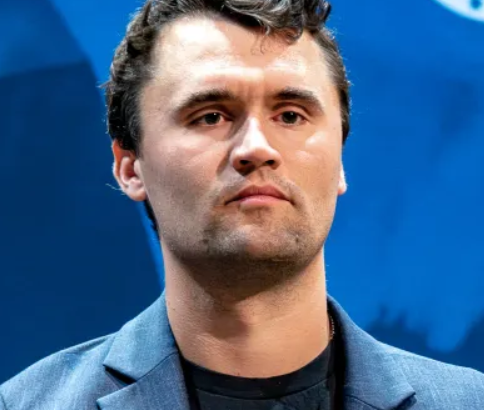
Master of the Modern Media Ecosystem
Kirk’s rise is inextricably linked to his preternatural understanding of the contemporary media landscape. He grasped early that influence flows through screens and soundbites. While building a physical chapter network, he simultaneously constructed a powerful parallel media empire. His daily podcast, "The Charlie Kirk Show," along with a relentless presence on platforms like Twitter (now X) and Instagram, allowed him to speak directly to millions, bypassing traditional gatekeepers. This direct line to his audience transformed him from an activist into a primary source of news and commentary for a significant segment of the right, blending activism, entertainment, and political analysis into a potent daily mix.
Strategic Provocation and Campus Incursions
A key element of Kirk’s methodology has been the strategic use of provocation. He deliberately targeted prestigious universities with strong liberal reputations, such as UC Berkeley, for high-profile speaking events. These appearances, frequently met with substantial and sometimes violent protests, were not failures in his calculus but resounding successes. The dramatic footage of protesters clashing with police outside his events became the ultimate proof-of-concept for his argument that free speech was under assault. This theater of conflict generated immense national media coverage, elevating his profile and emotionally galvanizing his base by casting them as brave dissenters in a hostile ideological environment.
Shaping the Next Generation of Conservative Leadership
Beyond his own voice, Kirk’s legacy is deeply tied to his role as a cultivator of talent. Turning Point USA has served as a launchpad for a new cohort of conservative influencers, most notably Candace Owens. By providing a platform, resources, and national exposure, Kirk has helped shape the voices and careers of individuals who now carry the movement's message forward. This focus on replication ensures that his influence extends beyond his own persona, embedding a specific, populist-conservative worldview into the broader ecosystem of right-leaning media and activism for the long term.

The Architect of a Persistent Political Force
Evaluating Kirk’s legacy requires acknowledging that he has engineered something more durable than a fleeting political trend. He has built an institutionalized force. TPUSA, alongside its affiliate Turning Point Action, represents a permanent infrastructure within conservative politics, complete with fundraising machinery, voter outreach operations, and a vast student database. This structure ensures that the movement he started continues to identify, train, and mobilize young conservatives, aiming to influence electoral politics and cultural debates for decades to come, regardless of any single election cycle's outcome.
A Divisive Yet Defining Figure
Charlie Kirk’s ultimate legacy is one of profound polarization and undeniable impact. To his detractors, he is a purveyor of division whose tactics prioritize spectacle over substance and exacerbate societal fractures. To his supporters, he is a visionary trailblazer who gave voice to the silenced, challenged ideological monopolies, and revitalized a movement. Regardless of perspective, his mark on American politics is clear. He successfully translated traditional conservative ideas into the vernacular and venues of the 21st century, permanently altering how political activism is conducted and proving that with media savvy, entrepreneurial zeal, and a willingness to engage in the fight, a single individual can indeed help redefine a national conversation.