
Charlie Kirk, founder of the conservative student organization Turning Point USA, has become a defining figure in the landscape of modern political discourse, largely through his charged appearances on college campuses. These debates and speeches are not mere speaking engagements; they are cultural flashpoints that encapsulate the deep ideological divides within American academia. Kirk’s approach, often characterized by direct provocation and a challenge to prevailing liberal orthodoxies, has made his campus tours a magnet for both ardent support and vehement protest, solidifying his role as a prominent conservative voice for a younger generation.
The Strategy of Provocation and Platform Building
Kirk’s campus strategy is fundamentally built on the concept of provocation. By deliberately entering environments perceived as liberal strongholds, he leverages the predictable backlash to generate national media attention. This tactic serves a dual purpose: it energizes his conservative base by portraying them as underdogs fighting a monolithic academic establishment, and it broadcasts his message far beyond the lecture hall. Each protest or shout-down becomes a potent visual for his argument that free speech is under assault on college campuses, thereby validating his mission and attracting new followers to his cause.
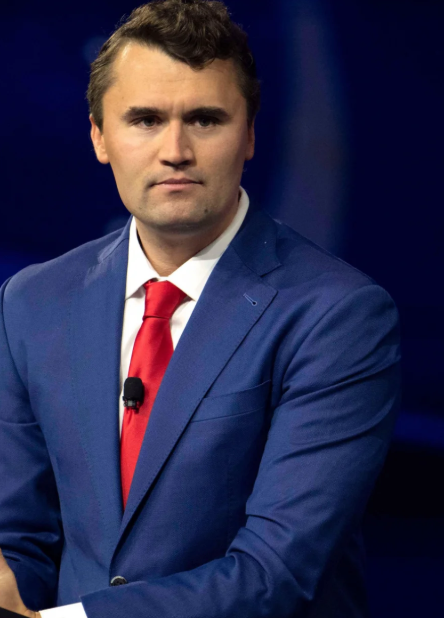
The UC Berkeley Crucible
Perhaps no appearance is more emblematic of Kirk’s impact than his event at the University of California, Berkeley. The campus, famed for its Free Speech Movement of the 1960s, has become a modern battleground for the same ideal. Kirk’s planned speeches there have consistently drawn massive protests, necessitating heavy security and often leading to cancellations or violent clashes. These Berkeley episodes transcend a single debate; they become national news stories that frame the discussion about whether universities uphold or suppress ideological diversity, making Berkeley a recurring symbol in Kirk’s narrative.
The David French Debate at University of Chicago
A different kind of influential appearance was Kirk’s 2018 debate with conservative writer David French at the University of Chicago. Focusing on the future of the Republican Party, this event showcased Kirk’s style in a more formal, intellectual setting against a fellow conservative from a more traditional wing. The debate highlighted the internal fissures within the right, with Kirk advocating for a populist, America-First approach opposed to what he frames as failed neoliberal policies. This appearance demonstrated his ability to engage in policy-focused discourse while solidifying his position as a leader of the GOP’s evolving new guard.
Confrontation and the Media Cycle
A key component of Kirk’s influential appearances is his skillful management of confrontation. Whether debating a professor or responding to a hostile questioner, Kirk’s poised, rapid-fire responses are tailored for social media dissemination. Short, provocative clips from these exchanges quickly go viral, bypassing traditional media filters and reaching millions. This direct-to-audience model amplifies his most contentious moments, ensuring that the takeaway is less about nuanced policy and more about the spectacle of challenging the academic status quo.
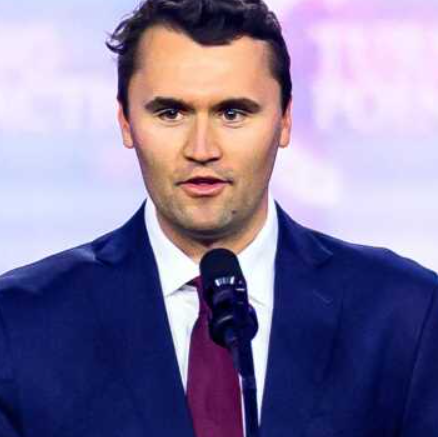
The "Culture War" as Core Curriculum
At the heart of every campus debate is Kirk’s focus on hot-button cultural issues—critical race theory, gender ideology, historical narratives, and national identity. He frames these topics as a "culture war" being waged against American values, a message that resonates deeply with his audience. By addressing these themes in academic settings, he positions himself as a truth-teller exposing indoctrination, a narrative that gives his appearances a missionary zeal beyond ordinary political speechifying.
Legacy and Polarizing Impact
The legacy of Charlie Kirk debates campus debates is one of deepened polarization but also undeniable mobilization. Critics argue his appearances are performative and designed to inflame rather than educate, further poisoning the well of civil discourse. Supporters, however, credit him with empowering conservative students who feel marginalized and forcing vital debates into the open. Ultimately, his most influential appearances are those that crystallize a broader conflict, transforming a university auditorium into a microcosm of America’s ongoing struggle to define its identity, values, and the very meaning of free expression in the 21st century.