
The retail landscape is in a constant state of evolution, driven by technological advancements that seek to enhance efficiency and customer experience. At the forefront of this transformation is the Delfi Breece System, a sophisticated electronic shelf labeling (ESL) solution that is fundamentally changing how retailers manage pricing and product information. This innovative system replaces traditional paper tags with digital displays, offering a dynamic and connected approach to in-store merchandising that benefits both the business and its customers.
The Core Technology Behind the Innovation
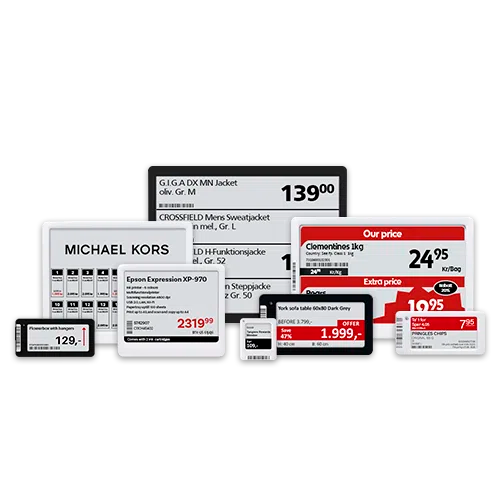
At its heart, the Delfi Breece System consists of three key components: a network of low-power digital shelf tags, a robust central management software platform, and a secure communication infrastructure, often utilizing radio frequency (RF) technology. Each digital tag is a high-resolution electronic paper (e-paper) display, similar to the screens found in e-readers, which provides a clear, crisp image that is easily visible even in bright store lighting. These tags are wirelessly connected to the store’s central system, allowing for instantaneous and simultaneous updates across the entire sales floor from a single computer terminal.
Driving Unprecedented Operational Efficiency
The most immediate impact of implementing the Delfi Breece System is a dramatic increase in operational efficiency. The labor-intensive and error-prone process of employees manually printing and replacing paper tags is completely eliminated. Store-wide price changes, which once took hours, can now be executed in minutes. This not only saves significant labor costs but also ensures 100% pricing accuracy across all aisles. The system mitigates the risk of customer dissatisfaction and lost revenue caused by discrepancies between shelf prices and point-of-sale system prices, creating a more trustworthy shopping environment.
Enhancing Strategic Pricing Agility
In today’s competitive market, the ability to react quickly to competitor pricing, manage flash sales, or implement dynamic pricing strategies is a crucial advantage. The Delfi Breece System provides retailers with unparalleled pricing agility. Managers can respond to market changes in real-time, adjusting prices on specific items or entire categories with a few clicks. This flexibility allows for more sophisticated revenue management strategies, such as lowering prices on perishable goods as they near their expiration date or offering instant, localized promotions to drive sales during slow periods.
Elevating the Customer Experience
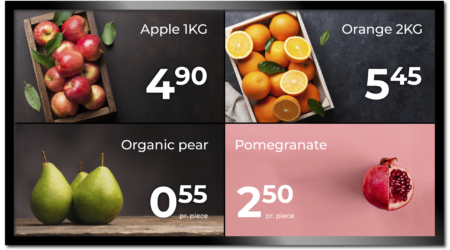
Beyond backend operations, the digital price tags enrich the in-store experience for shoppers. The high-resolution displays can show more than just a price; they can include QR codes, nutritional information, product origins, and allergy warnings. A customer can simply scan a QR code with their smartphone to access detailed specifications, customer reviews, or even see if the item is available in a different color. This transforms a static shelf into an interactive information hub, empowering customers to make more informed purchasing decisions without needing to track down a store associate.
Contributing to Sustainability Goals
An often-overlooked benefit of electronic shelf labels is their positive environmental impact. By eliminating the continuous need for paper, ink, and plastic label holders, retailers significantly reduce their waste stream. A single digital tag can display thousands of different price points over its long lifespan, which can be several years due to the ultra-low power consumption of e-paper technology. This commitment to sustainability resonates with the growing segment of environmentally conscious consumers, allowing retailers to align their operations with broader corporate social responsibility goals.
The Future of Integrated Retail
The Delfi Breece System is more than a simple pricing tool; it is a gateway to a fully integrated smart store. As the Internet of Things (IoT) continues to mature, these digital tags can be linked with inventory management systems to provide real-time stock levels or integrated with mobile apps for personalized promotions. The data collected can offer invaluable insights into shopping patterns and product performance. By adopting this technology, retailers are not just modernizing their price tags—they are future-proofing their businesses and laying the foundation for the next generation of retail innovation.