
It is one of those questions that seems simple until you try to answer it. Ask a mosque committee how many wudu stations they need and you will hear a range of guesses, from the number that fits along the available wall to whatever the neighbouring mosque installed. The truth is that station count is a planning calculation, not a matter of taste, and getting it wrong produces either queues that spill into the entrance hall or an oversized facility that consumes funds the community could use elsewhere. This guide walks through the factors that determine the right number, and how KingKonree helps mosque planners arrive at a figure they can defend.
Start With Peak Attendance, Not Average
The most common planning error is sizing the ablution area for average attendance. Mosques do not experience average conditions; they experience surges. The five daily prayers bring concentrated flows, and Friday congregational prayer can bring several times the weekday attendance. The correct basis for calculation is the busiest prayer of the week, usually Jumu'ah, plus a margin for festivals and Ramadan when attendance rises further. Counting the prayer hall's capacity, or the number of worshippers on the busiest day, gives a realistic starting point for determining how many people may need to perform wudu within the twenty or thirty minutes before prayer begins.
Estimating How Long Each Wudu Takes
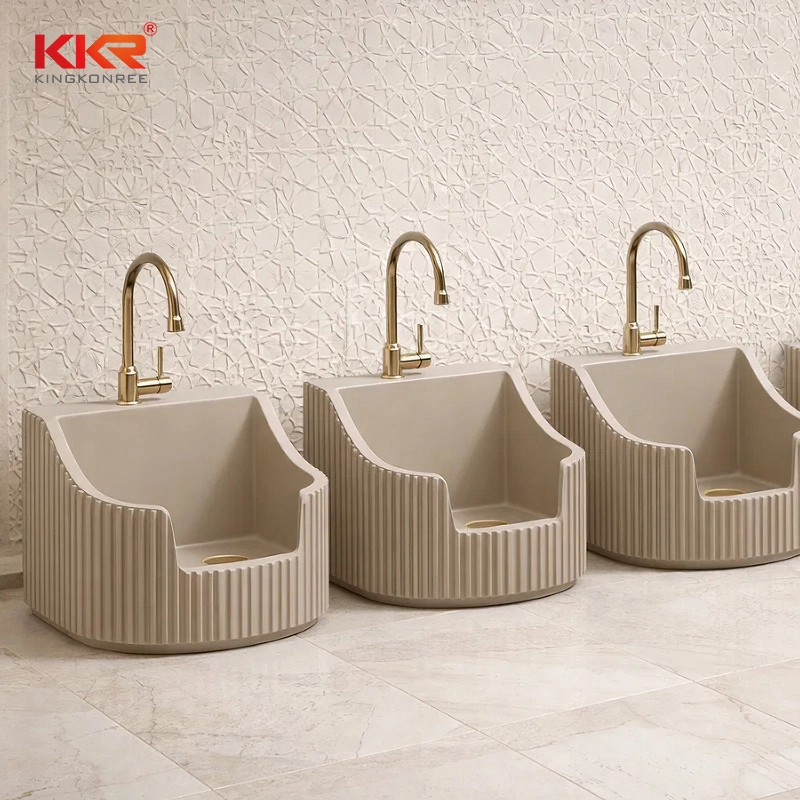
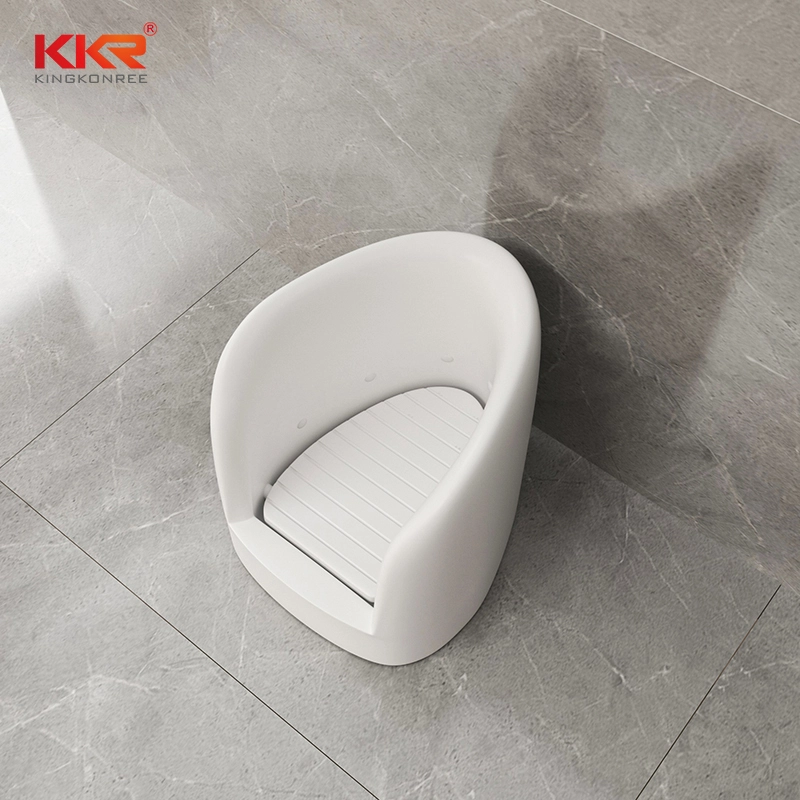
Once you know how many worshippers arrive at peak, the next question is how quickly the stations can serve them. A full wudu takes several minutes, and the foot washing stage is the slowest part. A well-designed station with seating and controlled water flow lets a user complete the ritual efficiently, but no fixture can make wudu instant. Planners should estimate the average time per user, then calculate how many stations are needed to clear the peak queue within the available window before prayer. Multi-user configurations from KingKonree help here, since a bank of stations can serve several worshippers in parallel rather than forming a single slow line.
The Ratio Rule of Thumb and Its Limits
Mosque planners often encounter rules of thumb, such as one station for every certain number of worshippers. These ratios are useful starting points but should never be applied blindly. A mosque serving a young, healthy congregation in a university district has different needs from one serving an elderly community where washing takes longer. Local climate matters too, since hot weather may increase the number of people washing before each prayer. Use the ratio as a sanity check on your calculated figure rather than as the calculation itself, and adjust for the specific characteristics of your community.
Factoring In Demographics and Accessibility
Demographics directly influence station count because they affect both how many people use the facility and how long each takes. A community with many elderly worshippers may benefit from more seated stations, even if the total number of users is modest, because each user spends longer at the station. Facilities planning for wheelchair accessibility need at least one station designed for that purpose, sized and positioned appropriately. KingKonree's customisable designs allow mosques to mix standard and accessible units within the same installation, so that the total count serves the whole congregation rather than the average member of it.
Space, Plumbing, and Budget Constraints
The calculated number must then meet reality. Available floor area, drainage capacity, and budget all impose limits on what can be installed. Where space is tight, multi-level or linear configurations may allow more users to be served within the same footprint. Where the budget is constrained, it may be wiser to install fewer high-quality solid surface stations now, with provision for future expansion, than to fill the room with cheap units that fail within a few years. KingKonree's planning support helps committees balance the ideal count against practical constraints and phase installations sensibly over time.
Planning for Growth and Special Occasions
Finally, consider the future. A mosque that is growing, or one located in a neighbourhood expected to expand, should plan station capacity for the congregation it will serve in ten years rather than the one it serves today. Ramadan brings nightly attendance far above the weekly norm, and Eid prayers can fill the building beyond its usual capacity. Building in a margin of spare capacity, or designing the ablution area so that additional stations can be added later without major works, protects the mosque from outgrowing its facilities. KingKonree's modular approach makes such staged expansion straightforward.
Conclusion
Determining how many Wudu wash station a mosque needs is a matter of arithmetic guided by local knowledge. Base the calculation on peak attendance, estimate realistic washing times, adjust for your community's demographics, and then reconcile the result with the space, plumbing, and budget available. Rules of thumb can check your work but should not replace it. With careful planning and the flexibility KingKonree offers in configuration and staged installation, any mosque committee can arrive at a station count that serves worshippers comfortably today and remains adequate for the years ahead.