
Barrier free design has moved from the margins of architectural planning to the center of the conversation, and for good reason. A restroom that welcomes every guest, student, patient, and employee speaks volumes about an organization's values, and the sink sits right at the heart of that welcome. Yet the needs of a luxury hotel differ sharply from those of a bustling school corridor or a clinical hospital ward, which means a single off-the-shelf answer rarely fits all. This guide from KingKonree walks through the specific considerations that shape barrier free sink choices across four very different building types, helping specifiers and facility managers make decisions that serve both compliance and the people who depend on it.
Why Barrier Free Sinks Matter Across Every Sector
The phrase barrier free sink free captures a simple but powerful idea: nothing in the built environment should stand between a person and the basic tasks of daily life. Sinks embody that principle in a very physical way, since a basin that is too high, too enclosed, or fitted with stubborn controls turns a routine handwash into an obstacle course. Every sector—hospitality, education, healthcare, and corporate—serves people with temporary injuries, aging bodies, mobility devices, and sensory sensitivities, often without knowing it in advance. Designing barrier free from the start protects everyone, and it spares organizations the cost and disruption of retrofitting later when complaints or inspections force the issue.
Tailoring Sinks for Hotel and Hospitality Environments
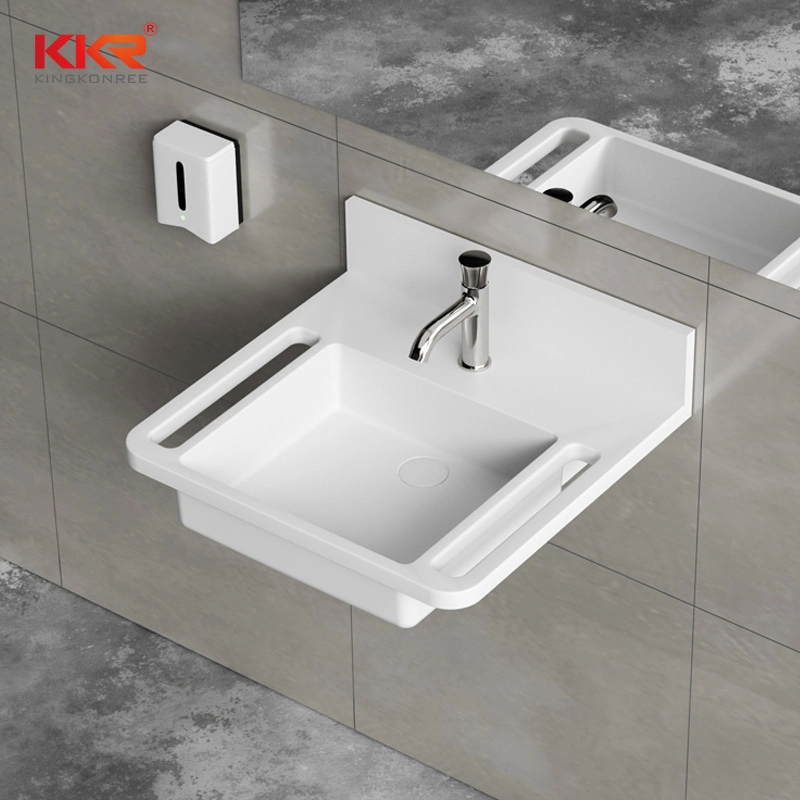
Hotels face a distinctive challenge: their restrooms must feel elegant and inviting while quietly delivering full accessibility. Guests may be reluctant to request an accessible room, so universal design in every bathroom is increasingly the norm. Wall-mounted basins with clean lines and premium finishes allow hotels to satisfy clearance requirements without sacrificing ambiance. KingKonree's barrier free designs suit this balance well, offering open undersides for wheelchair approach alongside surface options that complement upscale interiors. Placement matters too, since reachable amenities like soap dispensers and towel hooks should sit within easy range of a seated guest, ensuring the room works as beautifully as it looks.
Meeting the Practical Demands of Schools
In educational settings, sinks endure remarkable abuse—paint-splattered hands, hurried use between classes, and children of wildly varying heights all converge on the same fixtures. Barrier free sinks for schools must therefore combine accessibility with rugged construction. Lower mounting heights help younger students reach comfortably, while lever or sensor faucets reduce the effort and mess that push-button designs sometimes create. Smooth, non-porous surfaces that wipe clean quickly support the hygiene routines schools depend on. KingKonree's wall-hung models keep the floor clear for easy mopping and reduce the crevices where grime collects, making them a sensible fit for busy campuses where maintenance staff have little time to spare.
Addressing Infection Control in Hospitals and Clinics
Healthcare facilities impose the strictest standards of any sector, and barrier free sinks must satisfy both accessibility codes and infection prevention protocols. Touchless sensor faucets are common in clinical settings because they minimize contact and conserve water, while seamless basin surfaces eliminate the joints where bacteria can hide. Clearance for wheelchair approach remains essential, yet it must coexist with careful plumbing protection so that hot lines pose no risk to patients. KingKonree's clinical-grade options support these dual priorities, offering durable materials that withstand frequent disinfection and designs that keep the area beneath the basin both open and safe, which is precisely what busy wards and outpatient clinics require.
Balancing Compliance and Style in Office Buildings
Offices occupy an interesting middle ground, where accessibility obligations meet the desire for a polished, professional appearance. Employees and visitors include people with permanent disabilities, temporary injuries, and the everyday strain of aging, so barrier free restrooms benefit far more people than managers might expect. Wall-mounted sinks with contemporary profiles satisfy clearance rules while maintaining the sleek look that modern workplaces favor. KingKonree's range gives office designers room to choose finishes that match corporate interiors, proving that accessible fixtures need not look clinical or institutional. Thoughtful placement of mirrors, dispensers, and drying equipment completes the picture, turning compliance into genuine comfort for the workforce.
Installation and Maintenance Considerations That Cross All Sectors
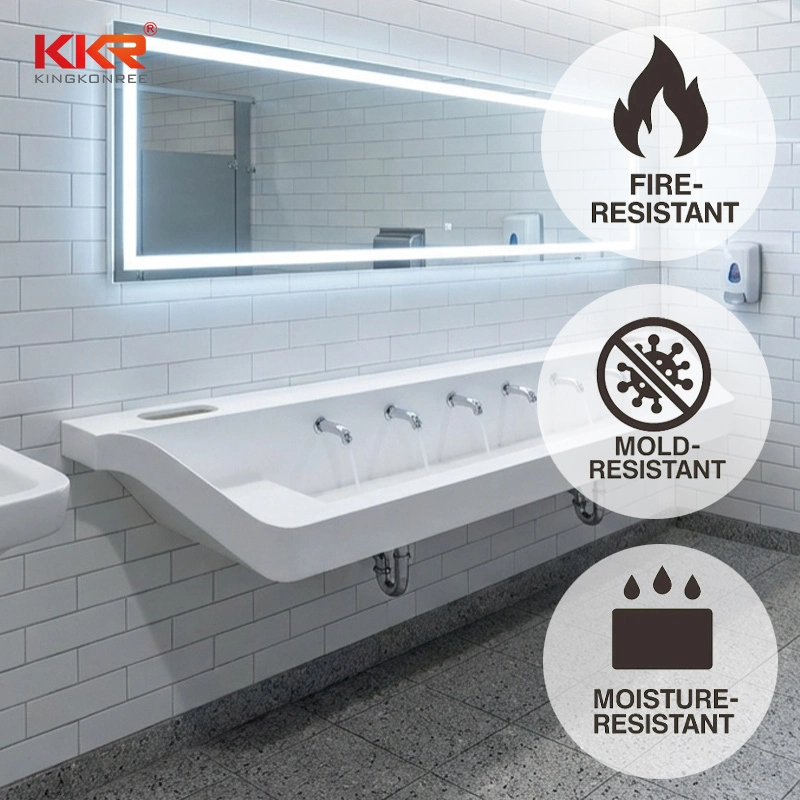
Whatever the building type, a few practical truths apply universally. Wall-mounted sinks simplify cleaning and free up floor space, but they demand solid wall reinforcement and well-organized plumbing to perform properly. Insulation of pipes protects users from burns and shields the fixture from moisture damage. Specifying fixtures with readily available replacement parts spares facility teams the headache of sourcing obscure components years down the line. KingKonree designs with these realities in mind, producing sinks that install cleanly and hold up under daily wear, so organizations spend less time managing problems and more time serving the people who use their buildings.
Making the Right Choice with KingKonree
Selecting a barrier free sink is ultimately an exercise in matching a fixture to a community's real needs—guests seeking comfort, students seeking durability, patients seeking hygiene, and employees seeking ease. KingKonree's barrier free sink collection brings these priorities together, offering wall-mounted designs that deliver clearance, safety, and visual appeal across every sector discussed here. For organizations ready to move beyond minimum compliance toward genuinely inclusive restrooms, the right starting point is a partner who understands that accessibility is not a feature to add but a foundation to build upon.