
Oxalic acid is used by metal finishers, textile mills, leather tanneries, mining companies, cleaning product manufacturers and many other businesses. While it is a well established chemical, buyers still face real choices about purity, packaging and supplier reliability. Prices can vary significantly, and the differences are not always explained clearly in quotations. Because oxalic acid is also hazardous, safe transport, storage and handling must be part of every purchasing decision. This guide explains what influences cost, how to compare quality between offers, which packaging formats are common and which safety points buyers should check before placing an order for oxalic acid in bulk. By understanding these points in advance, purchasing teams can avoid delays at customs or receiving docks. They can also compare suppliers more fairly and make sure that every delivery arrives in safe and usable condition.
What Shapes Oxalic Acid Prices
The cost of oxalic acid depends on how it is produced and on the raw materials involved. Common routes use carbohydrates, such as sugar or starch, oxidized with nitric acid, or processes based on sodium formate or carbon monoxide. Changes in the price of these inputs, along with energy costs, directly affect production expenses. China is a major global producer, so environmental policies, plant capacity and export conditions there have a strong influence on world markets. Freight rates, currency exchange and seasonal demand from industries such as textiles and mining also play a part. Higher purity grades cost more because they require additional crystallization and quality control.
Understanding Purity and Grades
Oxalic acid is usually sold as the dihydrate with a purity of 99.6 percent or higher for standard industrial grade. Key specifications include assay, sulfate content, heavy metals such as lead and iron, chloride, ignition residue and moisture. Industries such as rare earth processing, pharmaceuticals and electronics often need higher purity material with very low metal content, while cleaning and bleaching applications can use standard grade. When comparing قیمت اسید اگزالیک quotations, check that specifications are listed in the same format and measured by similar methods. A lower price may reflect lower purity or less consistent quality, which could affect your process results or finished product performance.
Packaging Options and Storage
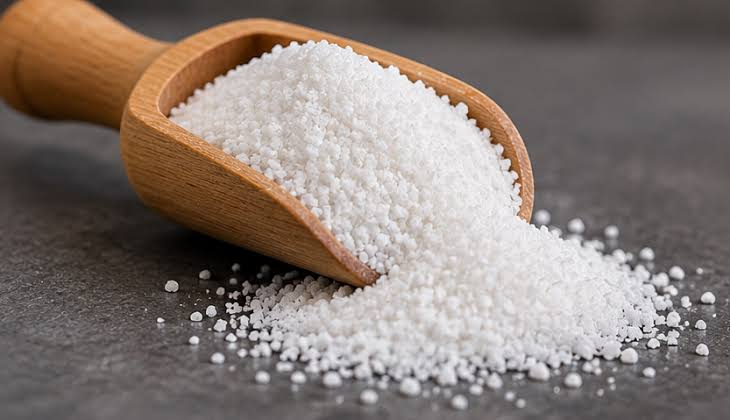
Oxalic acid is normally supplied as white crystals or powder packed in 25 kilogram plastic woven bags with polyethylene liners, or in multi-layer paper bags. Larger users may buy one ton jumbo bags. Good packaging should be strong, moisture resistant and clearly labeled with hazard symbols, product name, batch number and production date. Store the product in a cool, dry, well ventilated warehouse away from oxidizers, strong bases and food materials. Keep bags off the floor on pallets and protect them from damage during handling. Proper storage maintains quality, prevents caking and reduces the risk of accidental exposure for warehouse workers.
Safety Points Buyers Must Not Overlook
Because oxalic acid is toxic and corrosive, safety must be considered at every step. Confirm that your supplier provides an up to date safety data sheet in a language your staff can understand. Ensure that transport complies with local regulations for hazardous materials and that drivers and warehouse staff know how to handle spills. Provide workers with chemical resistant gloves, goggles and dust masks, and make eye wash stations available near handling areas. Train staff on first aid procedures. Keeping oxalic acid separate from food and drink, and clearly labeling every container, prevents dangerous mistakes and protects everyone on site.
Choosing a Reliable Supplier
A trustworthy supplier offers more than a competitive price. Look for consistent quality backed by certificates of analysis for each batch, transparent information about origin and production method, and a record of on time delivery. Ask for samples to test in your own process before placing a large order. Check whether the supplier can support you with technical advice on dosing, handling or alternative grades. Consider agreements for regular deliveries if your consumption is steady, as this can stabilize prices and secure supply. Evaluating suppliers on quality, safety support and reliability, not just price, leads to better long term results for your business. Building this kind of relationship takes time, but it pays off.