
Potassium carbonate has a long history. Centuries ago, people made it by soaking wood ashes in water and boiling down the liquid in pots, which is where the name potash comes from. That crude material was used to make soap and glass. Today, potassium carbonate is produced on an industrial scale with much higher purity, but many of its traditional uses remain important. It is used in specialty glass, liquid soaps, food processing, fertilizers, pharmaceuticals and gas purification. This overview explains what potassium carbonate is, how it is made and why it remains valuable across so many modern industries around the world. Its long history and continued demand show how a simple chemical can adapt to changing needs. Modern production methods simply allow it to be made with the consistency that today's industries require.
What Potassium Carbonate Is
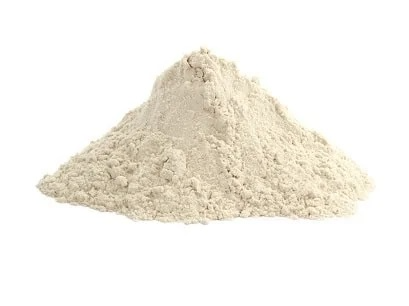
Potassium carbonate has the formula K2CO3 and is a white, granular or powdery salt that dissolves easily in water to form a strongly alkaline solution. It is hygroscopic, meaning it readily absorbs moisture from the air, and can eventually dissolve in that moisture if left uncovered. Most commercial potassium carbonate is made by reacting potassium hydroxide with carbon dioxide. The potassium hydroxide itself comes from electrolysis of potassium chloride. The final product is available in anhydrous granular or powder form and in liquid solutions. High purity grades are produced for food and pharmaceutical uses, with strict limits on heavy metals and impurities.
Use in Glass Manufacturing
The glass industry is one of the largest consumers of potassium carbonate. It is used in specialty glasses such as television and monitor screens, optical lenses, crystal glassware and laboratory glass. Potassium ions improve the clarity, brilliance and strength of glass and help create a higher refractive index, which gives crystal its sparkle. Potassium carbonate also lowers the melting temperature of glass batches, saving energy. In some electronic glass applications, it contributes to electrical resistance and radiation shielding properties. Glass manufacturers usually prefer granular potassium carbonate because it flows well, creates less dust and mixes evenly with other raw materials.
Role in Soap and Detergents
Potassium carbonate is an important raw material in the production of soft and liquid soaps. When potassium compounds react with fats and oils, they form potassium soaps, which are softer and more soluble than sodium soaps. This makes them ideal for liquid hand soaps, shaving creams and specialty cleaning products. Potassium carbonate is also used to produce potassium silicate and other potassium chemicals used in detergents. In cleaning formulations, its alkalinity helps break down grease and dirt. It also acts as a water softener and buffering agent, improving the performance of other cleaning ingredients and helping maintain stable pH during use. Its gentle alkalinity also suits many personal care formulations.
Applications in Food Processing
Food grade potassium carbonate, known as E501, has several important uses. It is a key ingredient in the traditional alkaline water used to make Asian noodles such as ramen, giving them their characteristic springy texture and yellow color. Cocoa processors use it in the Dutch process to reduce acidity, darken color and improve the flavor of cocoa powder. It is also used as a leavening agent in some baked goods, particularly traditional gingerbread and honey cakes, and as a buffering agent in beverages and wine making. Only food grade material that meets strict purity standards should be used in these applications to protect consumers.
Agricultural and Industrial Uses
In agriculture, پتاسیم کربنات serves as a source of potassium in specialty fertilizers and liquid formulations, especially where chloride must be avoided. It is used to adjust the pH of nutrient solutions in hydroponic systems. Industrially, it is used in gas purification to remove carbon dioxide and hydrogen sulfide from natural gas and synthesis gas through the hot potassium carbonate process. It is also a raw material for other potassium chemicals, a component of fire extinguishing agents and a drying agent in laboratories. In pharmaceuticals and cosmetics, it serves as a buffering agent. These varied applications keep demand steady across many sectors worldwide.