
Stearic acid is a basic raw material for many manufacturers, from tire factories and soap makers to plastic processors and cosmetic brands. Because it is used in large volumes, even small changes in price or quality can affect production costs and finished product performance. Buyers often face a confusing mix of grade names, origin claims and price offers that change from month to month. Making a good decision requires understanding what drives the market, which grade suits your process and how to judge a supplier. This guide brings those points together so purchasing teams can buy stearic acid with more confidence and fewer surprises along the way.
What Drives Stearic Acid Prices
Stearic acid is an oleochemical, which means its price is closely tied to the vegetable oils and animal fats used to make it. Palm oil and palm kernel oil are the most important feedstocks, so weather in Southeast Asia, plantation output, biodiesel demand and export policies in Indonesia and Malaysia all have a strong influence. Tallow prices matter for animal based grades. Energy and hydrogen costs affect the hydrogenation step, and freight rates influence the delivered price in importing countries. Currency movements can also make a noticeable difference. Because so many factors interact, prices can move quickly, and buyers benefit from following market reports and planning purchases ahead.
Understanding Grades and Compositions
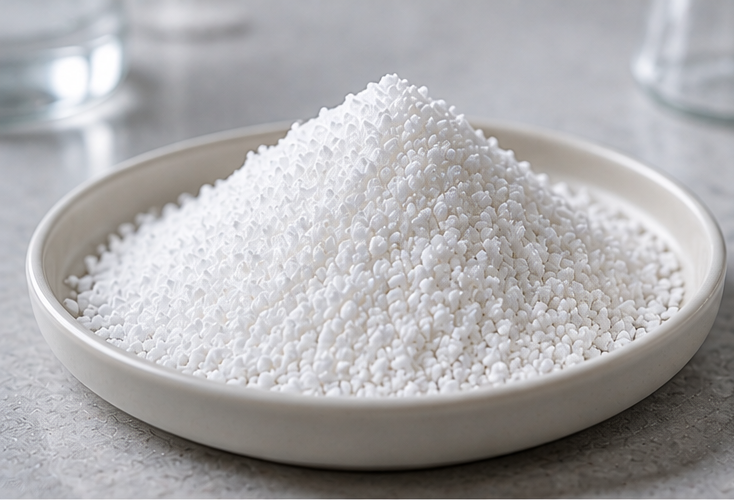
Not all stearic acid is the same. Commercial products are usually blends of stearic and palmitic acids, and the ratio affects melting point, hardness and performance. Common grades include single pressed, double pressed and triple pressed, with triple pressed being the purest and palest. Rubber grade material is designed for compounding and vulcanization, while cosmetic grades must meet tighter limits on color, odor and impurities. Some industries require vegetable based products, often with sustainability certification, while others accept tallow based material. Important specifications include acid value, iodine value, saponification value, color and titer. Knowing which values matter for your process makes comparing offers much easier.
Matching the Grade to Your Industry
Tire and rubber manufacturers typically choose rubber grade stearic acid with consistent acid value and low moisture, as these support predictable vulcanization. Cosmetic and personal care companies need high purity, light colored material with minimal odor, often triple pressed and vegetable derived. Candle makers look for good hardness and whiteness, while PVC processors focus on lubrication performance and thermal stability. Textile, metalworking and chemical producers may use technical grades where color is less important. Explaining your end use to the supplier helps them recommend a product that performs well without paying for purity levels or certifications that your application does not actually require. Matching the grade to the job is the simplest way to control cost.
Checking Quality and Supplier Reliability
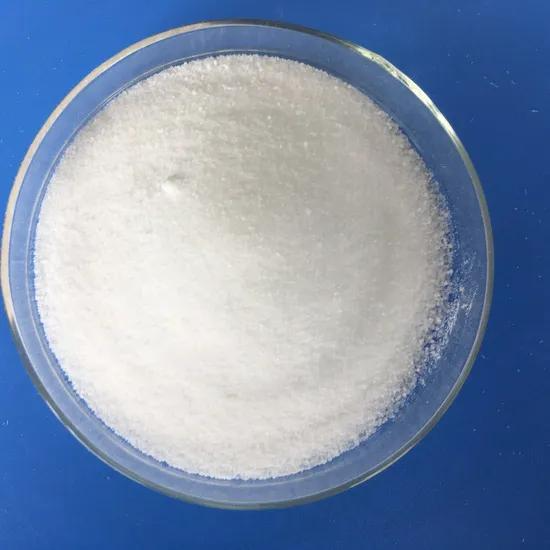
Before ordering اسید استئاریک in bulk, ask for a technical data sheet and a certificate of analysis for each lot. Compare key values such as acid value, iodine value and color against your own specifications. Request samples and test them in real production conditions, since lab data cannot always predict processing behavior. Check whether the supplier can provide documentation for origin, sustainability certification or halal status if your customers require it. Packaging is usually 25 kilogram bags of flakes or beads, so confirm bag quality and palletizing. A supplier with stable sources, clear communication and consistent stock is often worth more than a slightly lower quoted price.
Practical Buying Tips for Better Value
To get the best value, plan purchases based on your production schedule and market trends rather than buying in a rush. Consider contracts that cover several months, which can reduce exposure to sudden price spikes. Consolidating orders into full container loads reduces freight cost per ton. Store stearic acid in a cool, dry place away from direct sunlight and heat, as high temperatures can cause flakes to clump or bags to stick together. Keep records of each batch and its performance. Over time, this information helps you spot changes in quality and negotiate better terms with suppliers who consistently meet your needs and expectations. Sharing your annual forecast with your supplier also helps them reserve material for you during tight market periods.