
Embarking on an international move to France like navigating a maze of decisions and paperwork. However, breaking down the process into manageable steps transforms this daunting task into an achievable journey. Having a clear roadmap not only reduces stress but ensures you don't overlook crucial details that could cause delays or complications. This step-by-step guide walks you through the entire relocation process, from initial planning to settling into your new French home, providing the clarity and confidence needed for this significant life transition.
Initial Research and Planning Phase
The foundation of a successful move begins with thorough research, ideally starting three to four months before your intended relocation date. This early stage involves investigating different regions in France, understanding visa requirements if applicable, and establishing a realistic budget for your move. During this phase, you'll want to research removal companies, comparing services and obtaining preliminary quotes. This is also the perfect time to start gathering important documents like passports, birth certificates, and financial records. Creating a master checklist during these initial weeks will provide structure and peace of mind as you move forward with your preparations.

The Decluttering and Inventory Process
Approximately two to three months before your move, begin the crucial process of sorting through your belongings. This isn't just about deciding what to take; it's an opportunity to streamline your possessions for your new lifestyle in France. Create a detailed room-by-room inventory, categorizing items as essential, non-essential, or unnecessary. Consider the practicalities of French living—will your electrical appliances work with European voltage? Does your furniture suit the style and space of your new home? This inventory will later serve as the basis for your removal quote and customs documentation, making accuracy essential.
Choosing Your Removal Service and Scheduling
Once you have a clear idea of what you're moving, it's time to select your removal company and schedule your move. Look for a provider with specific experience in UK-to-France relocations and proper accreditation. A reputable company will conduct a visual survey of your belongings before providing a detailed quotation. During this stage, you'll discuss moving dates, service options, and insurance coverage. Booking your removal service six to eight weeks in advance typically ensures the best availability, especially during peak moving seasons from spring through autumn.
Addressing Documentation and Customs Requirements
The paperwork phase is particularly important for moves to France following Brexit. You'll need to prepare several documents for customs clearance, including a detailed inventory of your goods, proof of your new French address, and evidence that you've been resident in the UK for at least twelve months. Your removal company should guide you through specific requirements, but common documents include rental agreements or property deeds for your French home, recent utility bills from your UK address, and properly completed customs forms. Starting this process early prevents last-minute scrambling and potential border delays.
The Final Weeks and Packing Preparation
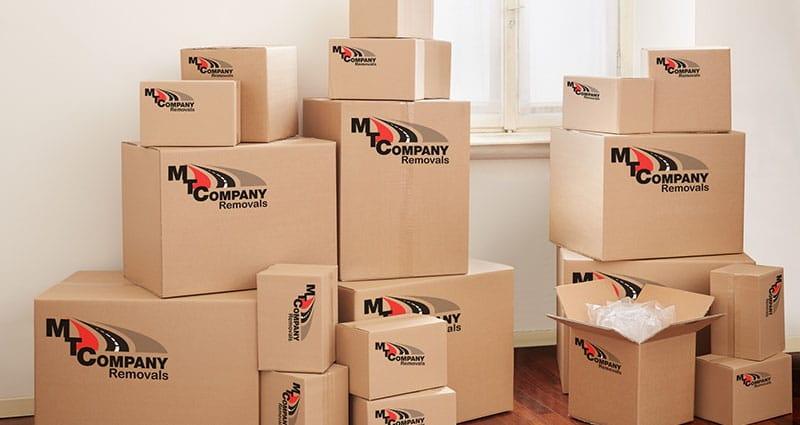
In the month leading up to your move, finalize all arrangements with your removal company and begin packing non-essential items. This is also the time to notify utility companies, banks, and other relevant institutions of your move. If you're handling any packing yourself, ensure you use sturdy boxes and proper packing materials. Prepare an essentials box containing items you'll need immediately upon arrival in France, including important documents, medications, basic kitchen supplies, and a change of clothes. Confirm travel arrangements for yourself, family members, and pets if applicable.
Moving Day and the Journey to France
On moving day, ensure you're present to answer questions and provide direction to the removal team. Do a final walkthrough to ensure nothing has been overlooked. Keep your essentials box and valuable documents with you rather than loading them with your shipment. The removal team will carefully load your possessions, using appropriate packing materials and techniques to ensure everything travels safely. Depending on your service choice, your goods may travel via ferry or the Channel Tunnel, with transit typically taking one to three days.
Arrival and Settlement in Your New Home
The final step involves settling into your French property. Your removal team will arrive as scheduled to unload your belongings. If you've opted for full service, they can unpack boxes, reassemble furniture, and remove packing materials. Take time to familiarize yourself with your new surroundings, locate essential services, and begin the process of registering with local authorities if required. Remember that settling into a new country takes time, so be patient with yourself as you adjust to different systems and customs. With the physical move complete, you can focus on the exciting journey of making France your home.